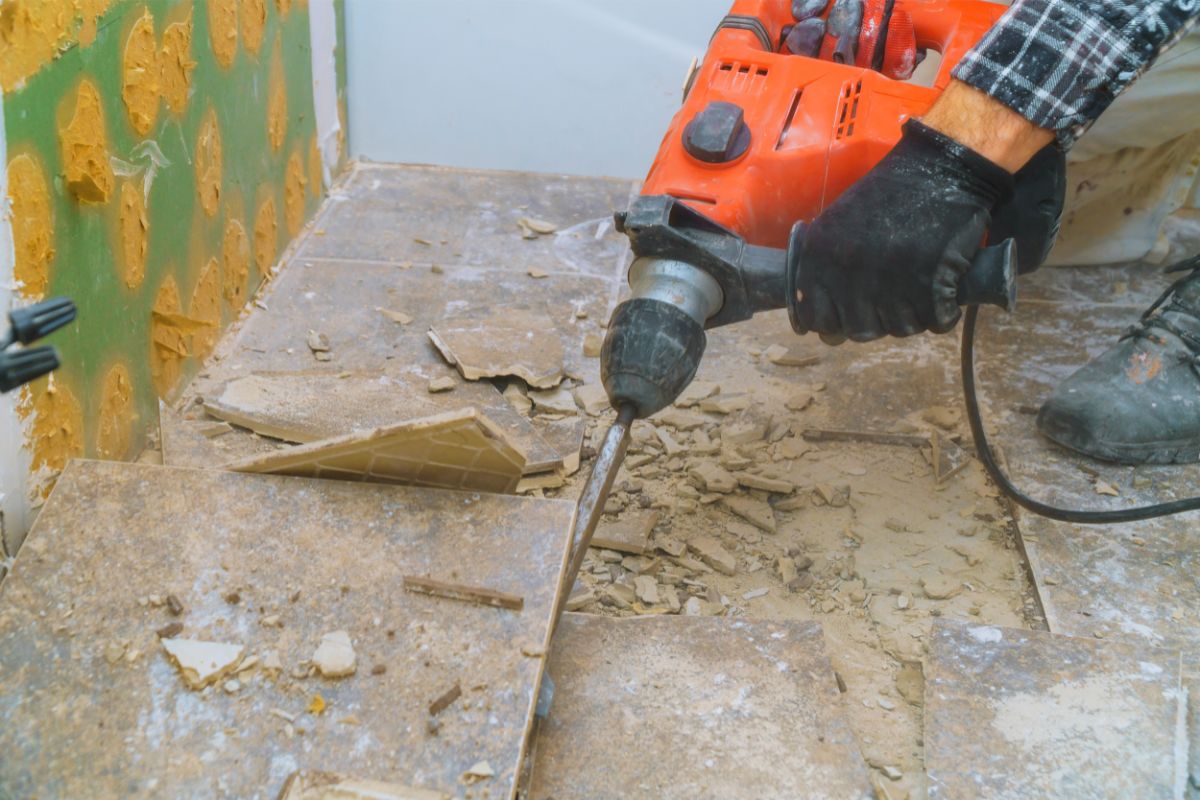
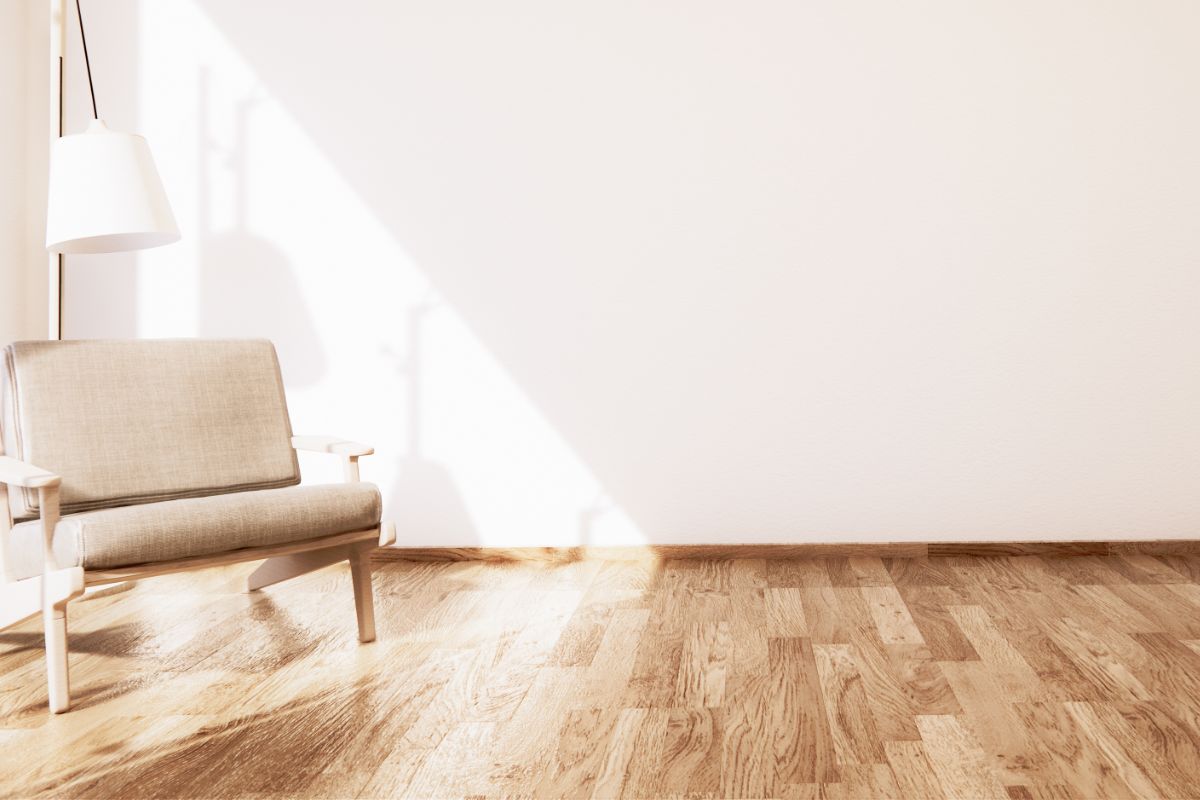
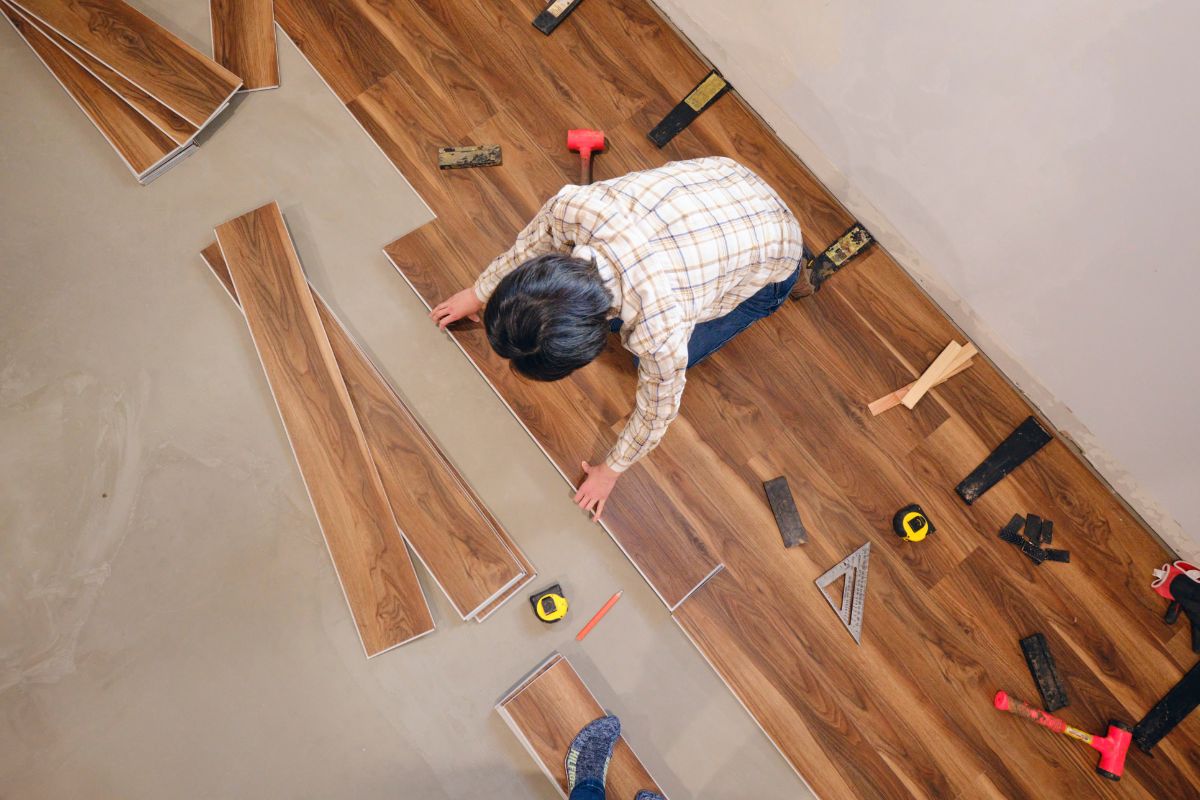
Floors are visible from any part of a given space and can play a big part in determining a room’s overall look and feel. Floors can help define spaces, create focal points, and add character to an otherwise bland space.
Good flooring can make a room feel warm and cosy, or clean and modern, with the right mix of material, colour, and design. This makes choosing your floors such an integral factor in any reno.
If you’re looking at epoxy as an inexpensive candidate for your floor project, it’s important to understand its benefits and drawbacks.
What is Epoxy Flooring?
Epoxy flooring has been around since 1946 and has always been a popular flooring material for industrial and commercial applications. It’s a floor coating system that applies multiple layers of hardened liquid epoxy, protecting your floors from the elements, and general wear and tear.
The key here is epoxy’s high tensile strength and chemical resistance, making any surface coated with it durable, stain-resistant, and easy to clean. The epoxy comes in two parts: resins (protective polymers) and curatives. Once mixed, the epoxy is poured directly onto your floors using a roller or a squeegee spreader.
Since it’s in liquid form, it can be applied over virtually any substrate (concrete, wood, metal). Epoxy is often used as a protective topcoat for surfaces that are subject to heavy wear and tear, like garages or warehouse floors. And no matter how many imperfections there are on the substrate, the liquid epoxy will simply fill in the gaps. Once it’s cured, the epoxy will create a smooth, hard surface that can be easily maintained.
How Much Does Epoxy Flooring Cost?
Several factors can affect the cost of installing an epoxy flooring system. Here are the primary ones to consider:
- Size of the surface area: This applies to all flooring materials, but it’s especially relevant when dealing with epoxy floors because they can be applied over large areas. The larger the area you want to cover, the more material you’ll need; thus, your installation costs will be higher.
- Condition of the substrate: Substrates that require extensive repairs or preparation may incur additional costs, affecting the total installation costs.
- Complexity of installation: The installation process may vary depending on the specific application, such as the number of coatings, the intricacy of the design, or the required finishing. More complex installations may require greater labour expenses, significantly adding to the total cost.
- Type and quality of epoxy: The price of different types of epoxy coatings can vary, with solid epoxy typically being more expensive than water and solvent-based epoxy. Flakes and pigments or other aesthetic additives can also drive the price up.
What is the Average Cost for an Epoxy Garage Floor?
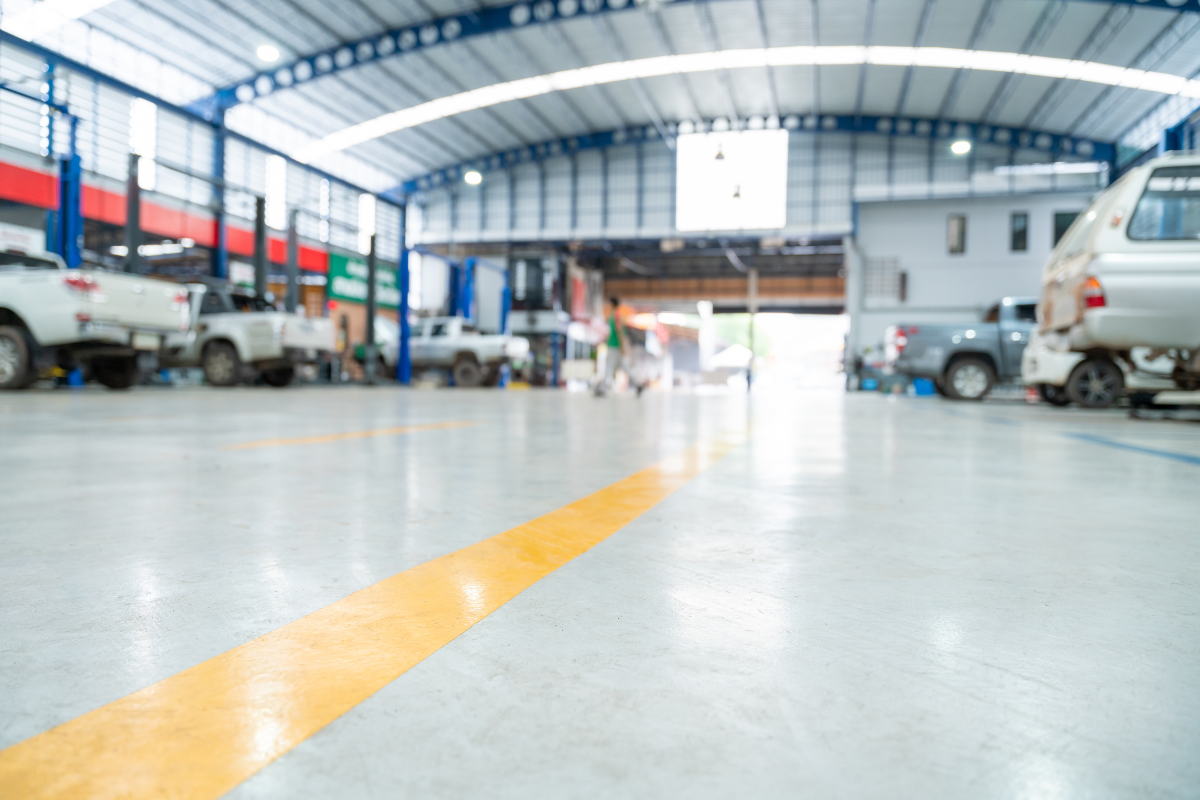
Epoxy flooring is commonly used in garage floors due to its excellent durability and resistance to oil stains and other chemicals. You can simply wipe off an oil spillage on an epoxy floor, while ceramic tiles would generally absorb some of the oil, which could result in an unsightly stain.
Plus, you can forget about tiles when you drop your spanner while working on your car - that’s a guaranteed way to crack a tiled floor. So, if you’ve been breaking your back scrubbing and wiping your garage floor, you might be interested in redoing your garage floor with epoxy.
But how much does it cost? Here’s a quick breakdown:
| One-car garage (21.6 sqm.) | $648 - $2160 |
|---|---|
| Two-car garage (33.64 sqm.) | $1010 - $3364 |
You can also opt to go the DIY route and save yourself some hard-earned cash. It’s also quite therapeutic and rewarding to do something like this yourself, so be sure to factor that in when budgeting for your epoxy garage floor.
You can get an epoxy flooring kit for your garage at DIY stores like Bunnings for about $250. This should be enough for two coats on a 36 sqm. garage.
Installation Costs
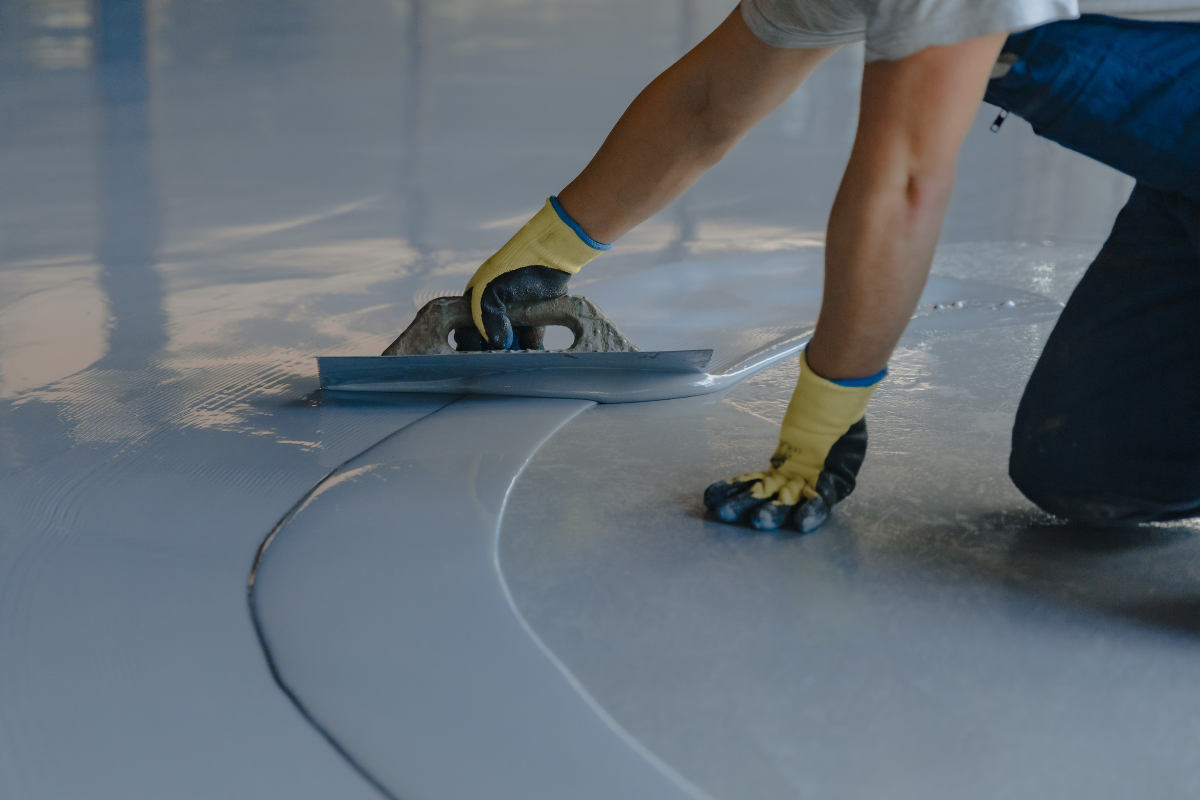
The installation process for epoxy flooring involves several steps, including surface preparation, mixing and applying the epoxy resin, and curing time. Unlike tiling projects that require some level of expertise, epoxy flooring is easy to install and can be an excellent DIY project.
However, for optimal results, hiring professionals specialising in epoxy flooring installation is recommended. While this incurs additional costs, it ensures that the epoxy coating is applied correctly and efficiently, saving you time and money in the long run. The labour cost is often added into the per square metre quote because epoxy installation doesn’t typically take more than one hour.
Price per Square Metre
The price per square metre is going to be the most important consideration when planning your budget for epoxy flooring. And it all depends on the size of the surface area to be coated, the complexity of the design, the type of epoxy, and the condition of the substrate.
However, we can estimate the general per square metre average to be around $30-$100 for two coats of professionally procured and installed epoxy flooring. This quote includes surface prep, mixing application, and curing.
Is Epoxy Flooring Cheaper Than Tile?
Comparing the cost of epoxy flooring to tile is a common question. While epoxy flooring may have a higher upfront cost than some low-cost tile options, it offers long-term savings due to its durability and minimal maintenance requirements.
Generally, you can find epoxy flooring costs to be around $30-$100 per square metre, while tiles would cost you about $50-$100 and another $45-$65 per hour on labour and materials to install. This makes epoxy flooring cheaper than tile, especially if you factor in the labour cost.
Tradies generally don’t charge by the hour for epoxy flooring projects, as the curing time typically consumes a lot of time, while the application takes just a few minutes. So, generally, epoxy flooring professionals add the labour costs into their quotes.
People Also Ask
How do you calculate epoxy flooring costs?
Total Cost = Floor size (in square metres) x Cost per square metre of epoxy material.
For example, if your floor measures 20 square metres and the cost per square metre of epoxy material is $100, the calculation would be:
Total Cost = 20 square metres x $100 = $2000.
Are epoxy floors worth the money?
With its durability and stain resistance, epoxy flooring is worth the money in some scenarios, such as in garages, workshops and other areas frequently exposed to chemicals or oil stains. However, if you want your space to feel more warm and cozy, you may want to look elsewhere, as the design limitations of epoxy can make it feel cold and clinical.