


Find yourself knee-deep in clutter and looking for a bit of extra space? Then, you’ve probably already taken a look into storage unit rentals. Here are the costs associated with it and how much you need to pay each month.
The Factors Influencing Storage Unit Costs
Just like any other rental property, there are plenty of factors that can affect the monthly rental cost of a storage unit. Factors like location and size, for example, are huge considerations.
Location
Like in real estate, location plays a valuable role in the rental rate of your storage unit. Those nestled in bustling city centres tend to be pricier, due to greater demand and accessibility advantages. However, if you’re open to a bit of a trip, units in the burbs or even further afield can offer some substantial savings.
Size
It’s straightforward – the size matters. Larger units will command greater fees, while smaller cubbies will be lighter on your pocket. To make a wise decision, evaluate your storage needs before committing, making sure you’re not paying extra for unnecessary space.
Climate Control
If you need to protect valuable or delicate items from the intense Australian heat, you might want a unit with built-in climate control. Offering stable temperatures and protection from damp conditions, these units are top-tier. But remember, with increased luxury comes an increased rental rate.
Accessibility
Your storage needs may require frequent visits to your unit. If so, look out for ones that score high on accessibility – consider ground-level placements, broad driveways, or always-open units. But keep in mind these conveniences may come at a steeper cost.

Average Cost of Storage Units
| National Averages (per month) | |
| Small | $65 – $110 |
| Medium | $125 – $175 |
| Large | $250 – $350 |
Considering that the size of the unit is one of the most significant factors, you can estimate the price range for various storage unit sizes. Here’s an overview of the monthly rental figures we could gather for storage units in Australia:
Small Storage Units ($65 to $110)
Usually ranging from 1m² to 6m², small storage units are ideal for storing a couple of large boxes and some small pieces of furniture, such as a spare side table.
Medium Storage Units ($125 to $175)
With a range that spans from 6m² to 13m², medium units can handle a small house’s worth of belongings, including some large furniture such as a bed frame, some appliances, and a couple of boxes. Climate-controlled units also typically come under this size range, so you can store wines and other sensitive items in them without worrying about the weather.
Large Storage Units ($250 to $350)
Units larger than 13m² fall into the large category. Known as garage-sized units, they can hold the contents of an average 4 to 6 bedroom house.
However, these figures are national averages, meaning they take into account the price of storage in regional areas where storage tends to be less expensive. If you’re looking for large cities like Perth, Sydney, and Brisbane, here are the averages:
Perth
| Small | $95 – $175 |
| Medium | $225 – $535 |
| Large | $495 – $550 |
In Perth, costs are generally more budget-friendly compared to other locations. But if you’ve got a stack of stuff and need a medium or big one, be prepared to fork out a bit more. However, larger storage options in Perth might be slightly more expensive, even at their minimum costs.
Sydney
| Small | $103 – $191 |
| Medium | $158 – $495 |
| Large | $335 – $1,000+ |
A significant factor contributing to the high rental costs in Sydney is its location. Sydney is a major city, and like other big cities, it has higher costs of living and real estate prices. These expensive land prices directly affect the cost of storage units in this bustling metropolis.
Brisbane
| Small | $100 – $200 |
| Medium | $139 – $370 |
| Large | $285 – $450 |
The average storage unit costs in this great city are about the same as the rest of Australia, so no surprises there. But here’s the catch – if you need a larger storage unit, you’d be pleased to know that Brisbane provides a reasonable deal compared to other cities.
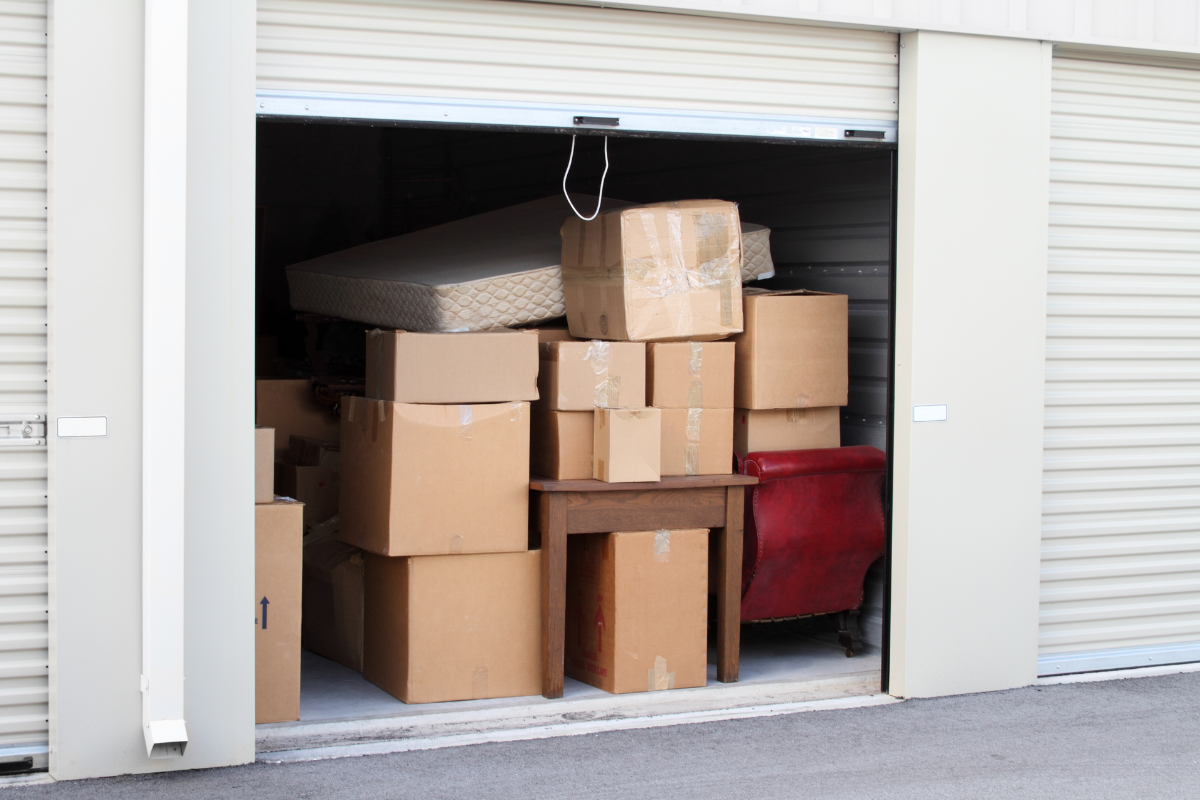
Special Offers and Discounts
If you want to reduce these costs a bit, you’re in luck. Storage businesses often offer discounted rates if you meet their criteria. Here are some offers worth considering:
- New Customer Offers: No doubt, many storage services provide a great deal for their first-time users. For example, National Storage often showcases a ‘First Month Free’ offer, an excellent opportunity if you’re new to the storage game.
- Promotional Offers: Storage companies often propose limited-period promotional discounts. Fort Knox, for instance, provides an ‘Online Move-In’ deal where you might secure up to 50% off your initial month’s storage.
- Long-term Rental Discounts: If you’re planning for longer-term storage, many places offer discounts to their long-standing customers. Take Storage King, for instance; they offer a deal where you can ‘Save up to 15% when you pay upfront,’ ideal for long-term storage.
Additional Costs and Fees
However, before you move your belongings into the storage unit, it’s crucial to note that there are additional fees to consider. The price that you initially see might not be the final cost, as there are additional fees and factors that might bump up the total. Here are some of the most common:
- Security Deposit: Pretty much like renting an apartment, some storage facilities might require a security deposit upfront. The deposit is refundable when you vacate the unit, provided it’s in the same condition you found it. The cost varies, but it’s often comparable to one month’s rent.
- Insurance: Some storage companies offer their own insurance, but it’s also common for them to ask that you provide your own. Rates depend on the coverage you choose, but usually, it can cost anywhere from $10 to $30 per month.
- Administrative Fees: This often overlooked fee helps cover the legwork the facility did in setting up your contract. It’s not standard for every company, but when it’s applied, the fee can be around $20 to $25.
How Much Does A Removalist Cost?
Table of Contents How Much Does A Removalist Cost? Removalist costs depend on distance, volume, and service. Full-service is $800-$2,000, partial is $400-$1,200, and specialized varies. DIY saves money but

How Much Does Rubbish Removal Service Cost?
Table of Contents The price of rubbish removal services differs depending on where you live, the type of rubbish and the complexity of rubbish disposal. On average, the cost for